


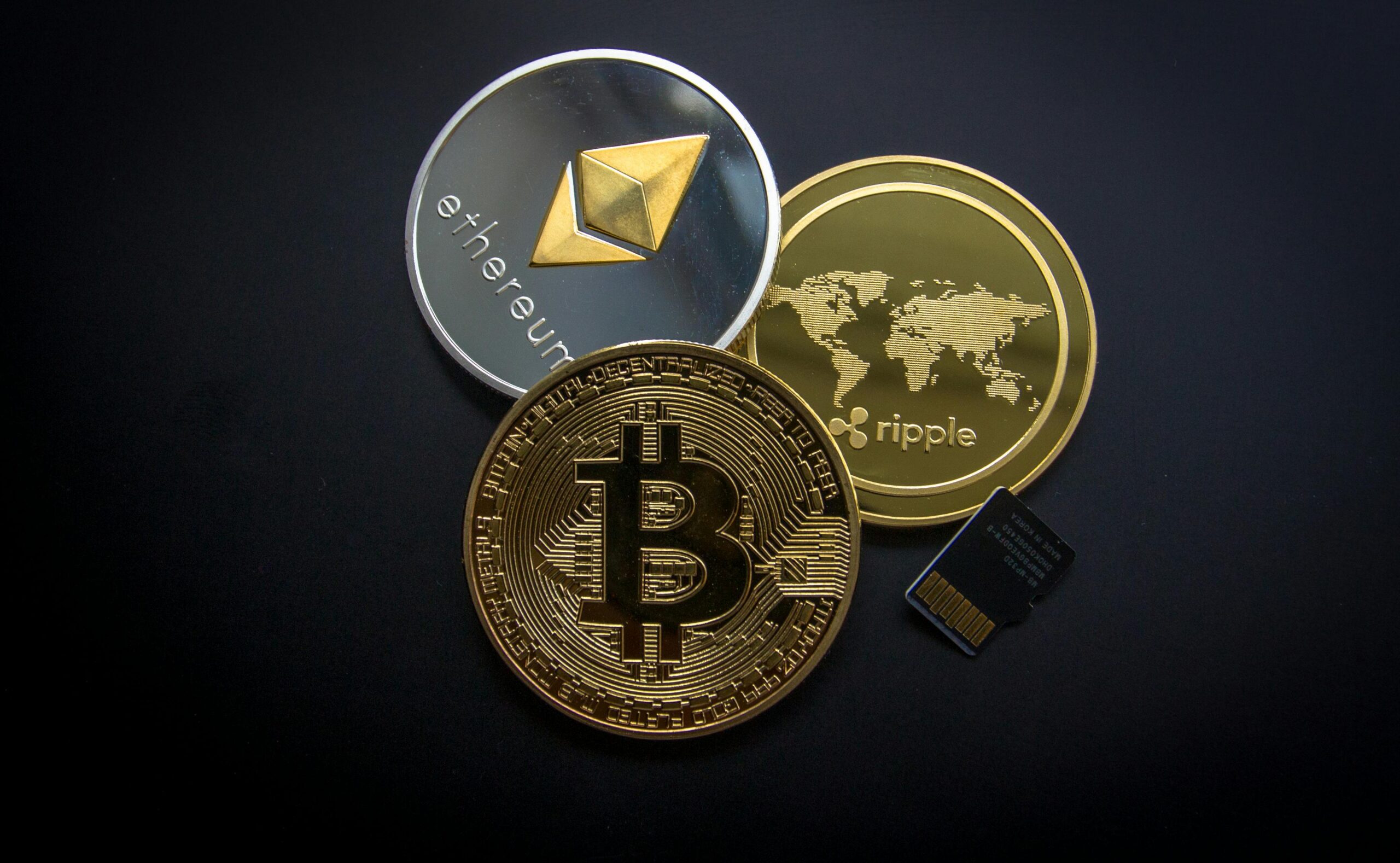
Under the guidance of Hazrat Khalifatul-Masih V (may Allah be his Helper), question-and-answer sessions are being held across Canada with Respected Amir Sahib. As not all questions can be addressed during these gatherings, selected questions and their answers, prepared by the National Tarbiyat Department, are published in the Gazette for readers’ benefit.
QUESTION: “Is online trading like crypto and Bitcoin allowed in Islam?”
ANSWER:
Islam permits trade and investment based on real economic activity, involving genuine goods and services, that contribute positively to businesses and employment. Buying shares of established companies is generally allowed, provided that the company’s core business does not involve prohibited (haram) activities such as alcohol, gambling, or other un-Islamic practices. However, Islam does not judge permissibility solely by outward form; instead, it considers the substance, intent, and consequences of an activity.
The Holy Qur’an clearly prohibits gambling and the unjust consumption of wealth, stating:
O ye who believe, liquor, gambling, idols and divining arrows are but abominations and Satanic devices. So turn wholly away from each one of them that you may prosper. (5:91)
Do not devour each other’s wealth among yourselves through deceit and falsehood. (2:189)
While cryptocurrencies and Bitcoin are often presented as “investments,” in practice, much of the trading in these instruments is driven by speculation, extreme price volatility, lack of intrinsic value, and excessive uncertainty. Constant buying and selling based purely on market fluctuations, with the hope of quick profit, closely resembles gambling rather than legitimate trade. In such cases, gains and losses depend largely on chance, hype, or manipulation rather than productive economic effort. Indulgence in such practices frequently results in severe financial losses, similar to the outcomes commonly associated with gambling.
Hazrat Khalifatul-Masih V (may Allah be his Helper) has explicitly addressed this issue, stating:
“There are some businesses in the world that profit a person for a certain time, but then the owners seize all of the wealth, leaving those poor people who invested in it to lose all their money… as is prevalent nowadays, where billions of dollars of those who invested in Bitcoin or cryptocurrency have been lost… In my opinion, businesses such as Bitcoin, etc., are all forms of gambling.” [Friday Sermon, January 6, 2023; Al Hakam, February 3, 2023, p. 17]
Therefore, whereas crypto trading is dominated by speculation, unreality, uncertainty, and widespread harm to people, it contradicts Islamic principles of justice, fairness, and the protection of wealth. Even if such activity is legally termed “trading,” its practical reality aligns more closely with gambling, which Islam unequivocally forbids. Muslims are therefore advised to avoid such activities and instead seek lawful means of earning that are stable, transparent, and beneficial to society.


